
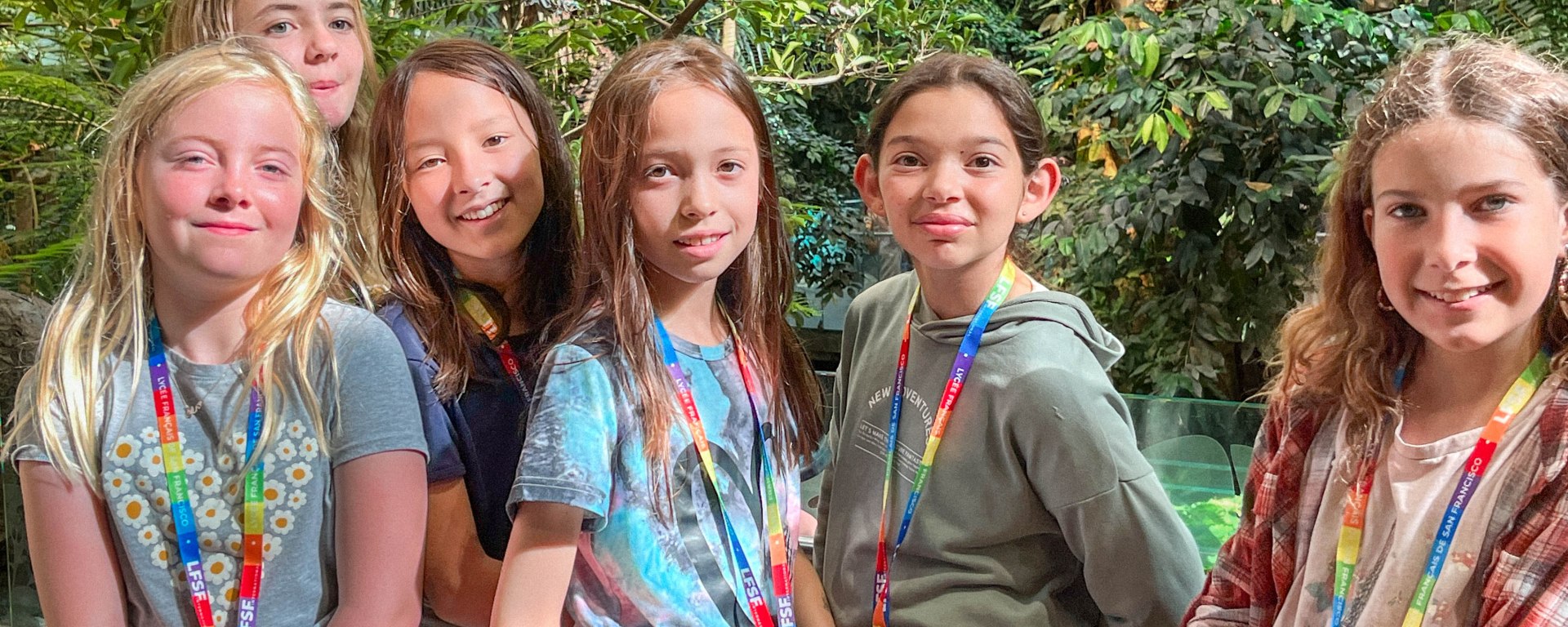
Sustainable food choices are those that have a lower environmental impact, promote ethical treatment of animals, and contribute to social and economic well-being. Of course, it’s important to note that the sustainability of a particular food item can depend on various factors, including how it is produced, transported, and consumed. But, on average, if we pay a little attention, we may help save our planet… one lunchbox at a time!
LFSF (the Lycee Francais de San Francisco), – a preK-12 international school providing a unique French and International education, believes in the benefits of teaching our kids to become eco-responsible from a young age. That’s why they encourage their students to carry out green projects and inspire their peers to make the right choices to minimize their environmental impact. We asked their young eco-delegates about simple food swaps to make a more sustainable school lunch. Suggestions below, along with easy lunch ideas you may want to try!
1. Choose Plant-Based Foods
The type of food number 1 that is said to be “sustainable”… You guessed it: Plant-Based Food! Fruits, vegetables, legumes, nuts, and seeds are often more sustainable than animal products. They generally require fewer resources, produce fewer greenhouse gas emissions, and have a lower environmental footprint.

For the ultimate plant-based food lunch, you can try to pack a vegetarian lunchbox. For instance, Jessica prepared soba noodles with black beans and coriander. She added kefir and apple slices for dessert. Easy, right?
Pro Tip: Some of the LFSF’s Preschool teachers initiated an exciting project where students pick a seasonal fruit or veggie to learn about each month. This not only promotes healthy eating habits but also underscores the importance of consuming locally sourced, seasonal produce, which in turn, reduces our carbon footprint.
2. Choose Whole Grains
Choosing whole grains over refined grains is a more sustainable option. Examples of whole grains include quinoa, brown rice, barley, and oats.

You may also choose a whole grain waffle instead of a regular waffle – that’s what our Teuko Friend Stulleundsushi did, even transforming the whole grain waffle into a cute hedgehog!
3. Choose Organic Products
Organic farming practices prioritize soil health, avoid synthetic pesticides and fertilizers, and promote biodiversity. That’s the reason why organic products may help you keep good health and they tend to be more gut-friendly than non-organic foods (we invite you to check out our other blog post on the subject, “Why Organic Food is Important for Kids’ Gut Health“).
To receive new lunchbox ideas, recipes, and tips…
4. Choose Sustainable Seafood
Regarding seafood, when you opt for seafood that is sourced sustainably, meaning it is harvested in a way that minimizes impact on ocean ecosystems, look for certifications like MSC (Marine Stewardship Council) for fisheries or ASC (Aquaculture Stewardship Council) for aquaculture.
Here are three lunchbox ideas for kids with salmon, shared by lunchbox moms and dads of our Teuko Fam’:


- Fish & chips California style by Diego@CanoliKids
- Salmon-avocado rolls by Thelunchmomma
- Oven-cooked salmon with rice and zucchini by Steve
Will you try packing more organic food and sustainable seafood in your kids’ lunch boxes?
5. Choose Eggs from Pasture-Raised Hens
Eggs from hens that have access to pasture are generally considered more sustainable and may have a higher nutritional value. How to include the delicious eggs from pasture-raised hens? Hard-boiled eggs, scrambled eggs, omelets… you have the choice!
Here are a few ideas from our Teuko Friends:


- Quinoa, lentil salad, and hard-boiled eggs by Maitremily
- Nori seaweed lunch with rolled omelets by Painapplez
- Argentina Soccer Lunchbox with scrambled eggs by Back_seat_meals
- Costa Rican Casado with sunny side egg by Jessica
How do your kids prefer eating eggs at lunchtime?
6. Choose Plant-Based Alternatives
Explore plant-based alternatives to meat and dairy, such as tofu, tempeh, and plant-based milk. These options can have a significant impact on our environmental footprint.


We enjoyed these two plant-based alternatives that were included in kids’ lunches: “Apricot tofu” lunch, a lunchbox idea shared on Teuko.com by Veganlunchmom, and Almond milk with chicken soup, by Bambi.bento.
Pro Tip: To encourage their peers to experience or get started with vegetarianism, LFSF student eco-delegates launched the vegetarian eco_Tuesday challenge. How do you like the idea?
7. More Tips and Tricks Toward a Sustainable Lunchbox
Another easy and efficient way to pack a more sustainable lunchbox is to consider eco-friendly packaging.
Many families tend to use plastic cutlery or individually wrapped snacks that are very handy but lead to large volumes of waste. This is why LFSF initiated a zero-waste cutlery program on its primary campuses that aims to reduce the use and waste of plastic forks and spoons during lunchtime by encouraging the use of reusable items.
This initiative starts with introducing safe metal forks and spoons, but did you know you could also opt for reusable pockets for chips and crackers? Or reusable pouches for your apple sauce? These small changes are likely to make a substantial impact on your school’s waste sorting system and, consequently, on your overall carbon footprint.
Pro Tip: Just as you make sustainable choices for your child’s school lunch, consider incorporating similar principles into family trips. Choosing eco-friendly accommodations and supporting local, organic food sources can extend your positive impact beyond the lunchbox.
Did you enjoy these different ways to make easy sustainable food choices when lunch packing? Choosing a diverse and balanced diet that incorporates a variety of sustainable foods is key to promoting both personal and environmental well-being. Let us know what you think in the comments! You can also contact us at contact@teuko.com, we’d be happy to hear from you!
Disclaimer – This post is in partnership with the Lycee Francais de San Francisco. All opinions are our own. Also, as an Amazon affiliate company, if you buy some products from some links inserted in the text of this blog post, we may get a small share of the revenue from the sale. This helps Teuko.com remain free! Any feedback? Email us at contact@teuko.com.


 Teuko Blog