The Dirty Truth for Kids Eating Lunch at School: A Classroom Science Experiment Reveals the Importance of Handwashing
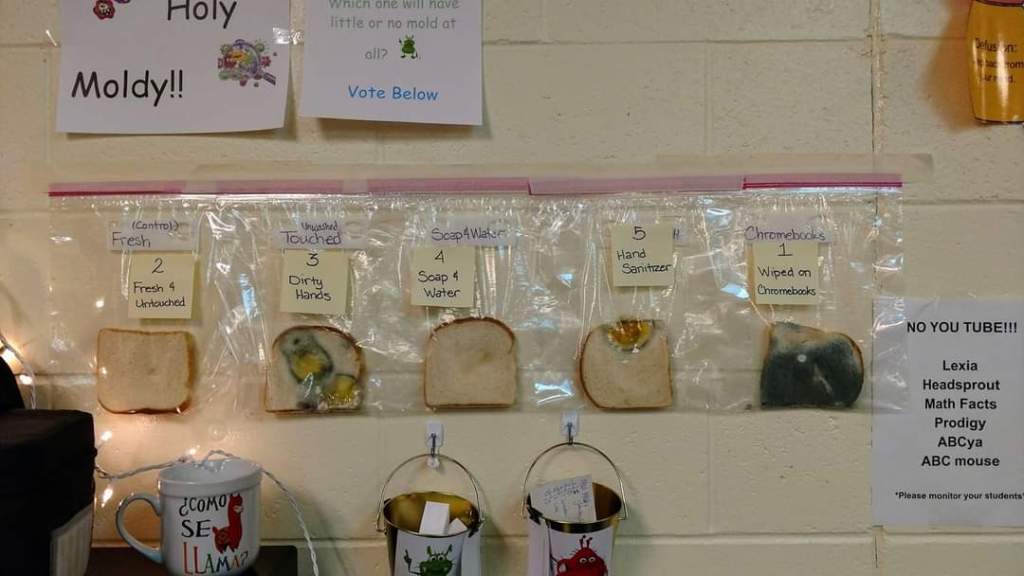
A simple yet eye-opening experiment conducted by a teacher has sparked a much-needed conversation about a timeless practice: handwashing. In a Twitter/X thread that gained traction, a teacher shared the results of a science project conducted in her elementary school classroom during flu season. The experiment involved touching slices of fresh bread with different hands and surfaces, including Chromebooks, to demonstrate the importance of hand hygiene. The results? Shocking and undeniable evidence of the significance of washing hands with soap regularly.
We took fresh bread and touched it. We did one slice untouched. One with unwashed hands. One with hand sanitizer. One with washed hands with warm water and soap. Then we decided to rub a piece on all our classroom Chromebooks. All the students touched each piece (of the touched pieces). Results took 3-4 weeks because of preservatives. It was plain white bread. […] We are an elementary school. Not a fancy CDC lab, so relax a little and WASH YOUR HANDS
The experiment revealed that even in a seemingly innocuous environment like a classroom, germs abound, and they can thrive on everyday objects like technology devices. The untouched slice of bread served as a control, while slices touched by unwashed hands, hands sanitized with hand sanitizer, and hands washed with warm water and soap demonstrated varying degrees of microbial growth. What’s more, the bread-touched Chromebooks showcased the potential for germ transfer from surfaces to hands and vice versa.
So, in conclusion, as the Twitter thread emphasizes, the experiment was a stark reminder of the importance of handwashing with soap in preventing the spread of illness. In a world where debates over public health measures often dominate headlines, the simplicity of this classroom experiment speaks volumes. It harkens back to the lessons taught by Ignaz Semmelweis, the doctor who championed handwashing in the 19th century, despite facing skepticism and ridicule. Just as Semmelweis’s insights revolutionized healthcare, this teacher’s experiment underscores the timeless wisdom of basic hygiene practices. So, let’s heed the lesson learned: wash your hands with soap regularly, remind your kids to do the same, and remember that hand sanitizer is no substitute for good old-fashioned soap and water. After all, in the battle against germs, prevention truly is the best medicine.
🧼 Make Handwashing Fun for Kids
Clean hands = happy meals! Teaching kids to wash their hands before and after eating is easier when the soap is fun, gentle, and safe for little hands. Here are some great picks families love:
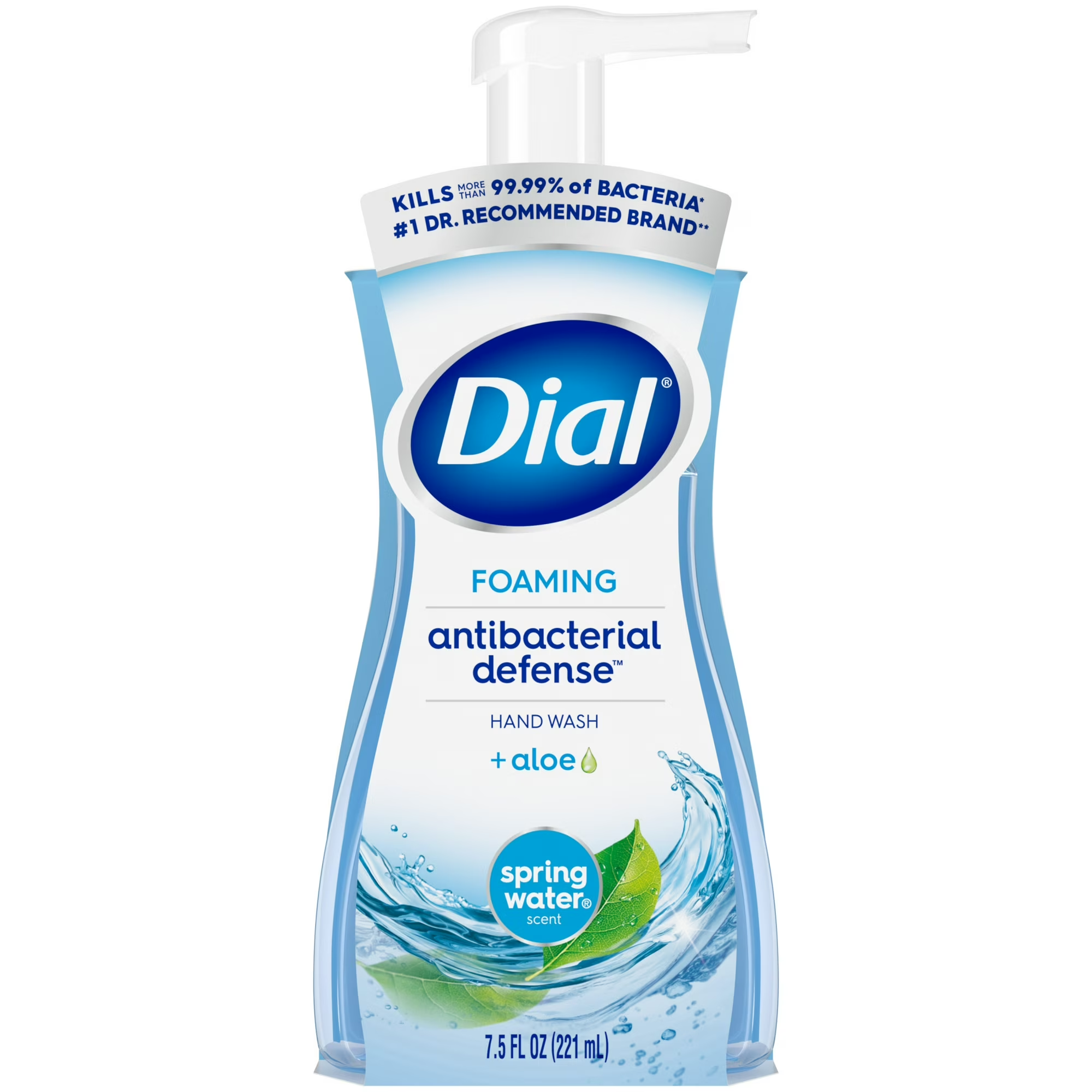
Dial Foaming Hand Wash. Shop now at Walmart or on Amazon
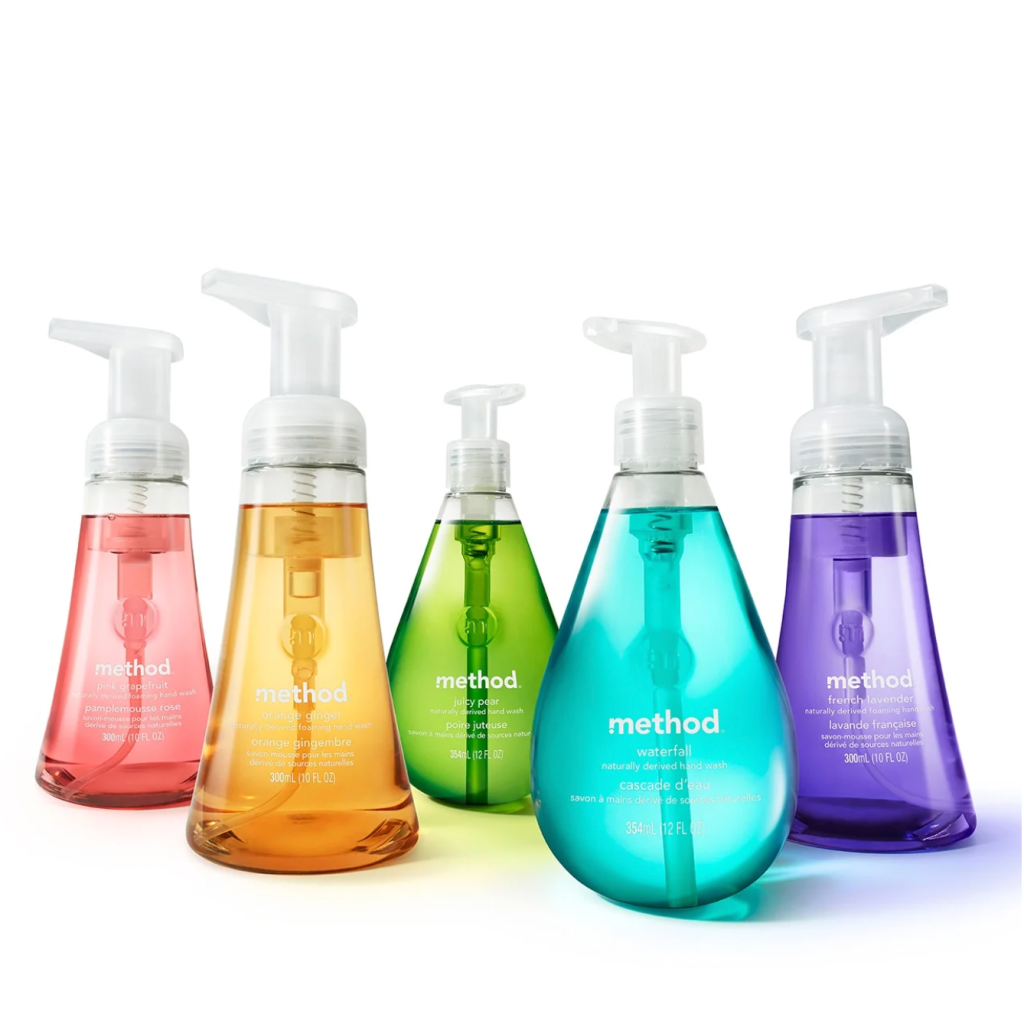
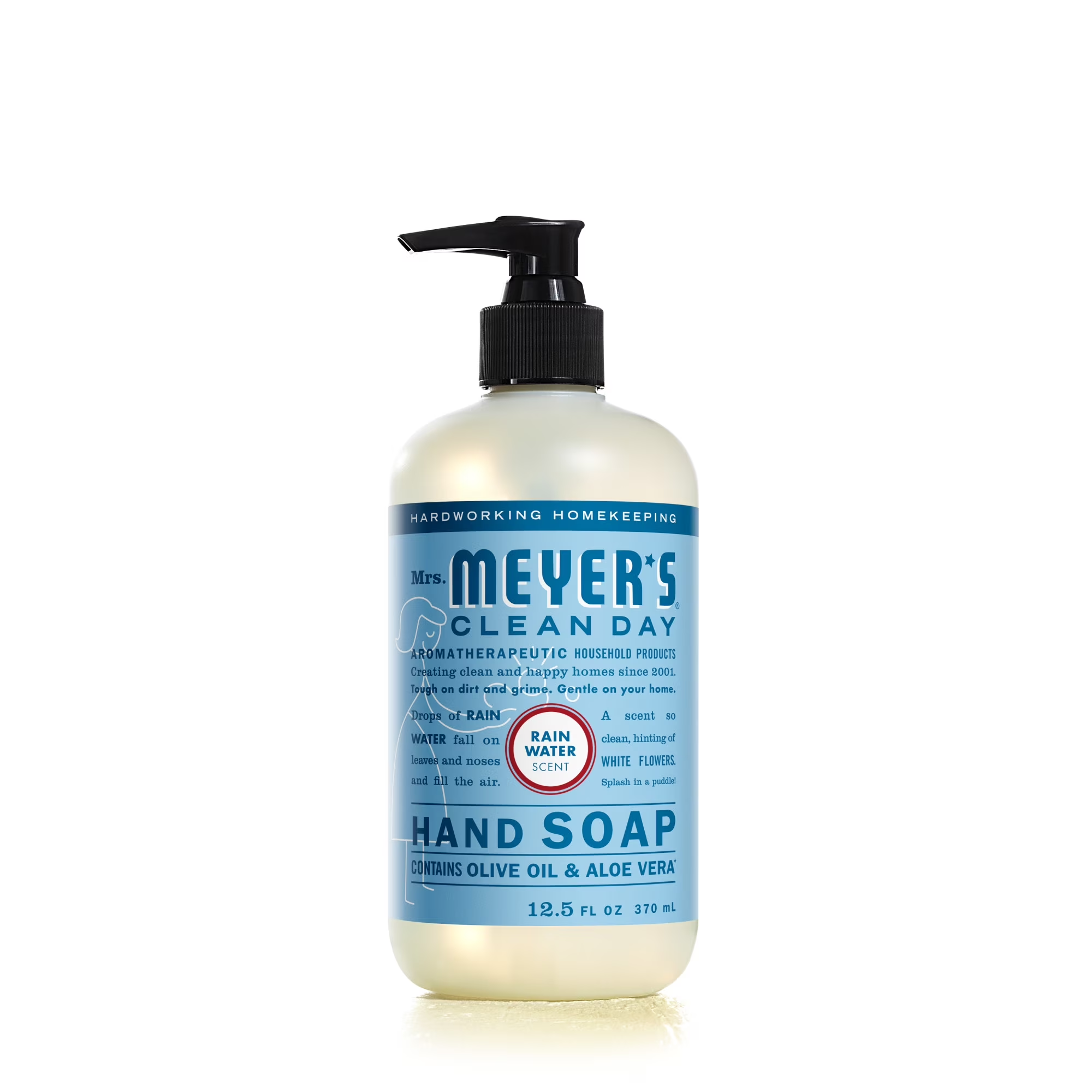
Mrs. Meyer’s Hand Soap. Shop now at Walmart or Amazon.
Disclaimer: This section contains affiliate product recommendations. If you click through and make a purchase, Teuko may earn a small commission at no extra cost to you. Thank you for supporting our mission to make family lunches healthier and happier!
Want exclusive lunchbox ideas, recipes, and tips?
Processing…
Success! You're on the list.
Whoops! There was an error and we couldn't process your subscription. Please reload the page and try again.



 Teuko Blog